 Quick answer
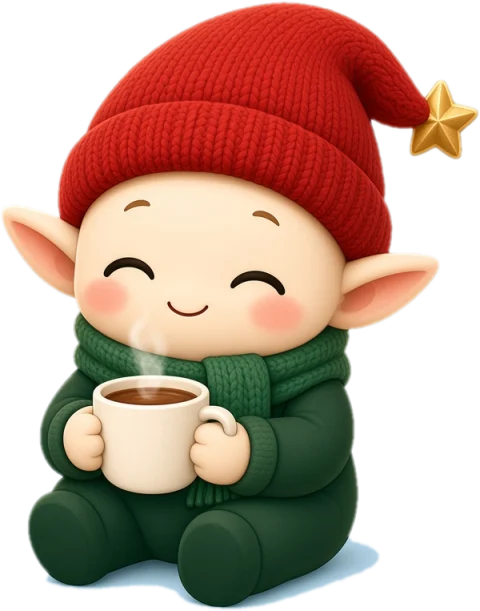
An elf is a small magical being from European folklore. Elves began as powerful spirits in Norse and Old English myth, became woodland tricksters in fairy tales, and in the 1800s turned into the cheerful helpers who make Santa's toys. Today, “elf” usually means the pointy-eared Christmas helper in a red hat and green outfit.
What Is an Elf? Origins, Folklore and Why Elves Belong to Christmas
By Divv Saxena · · 6 min read
Where the word “elf” comes from
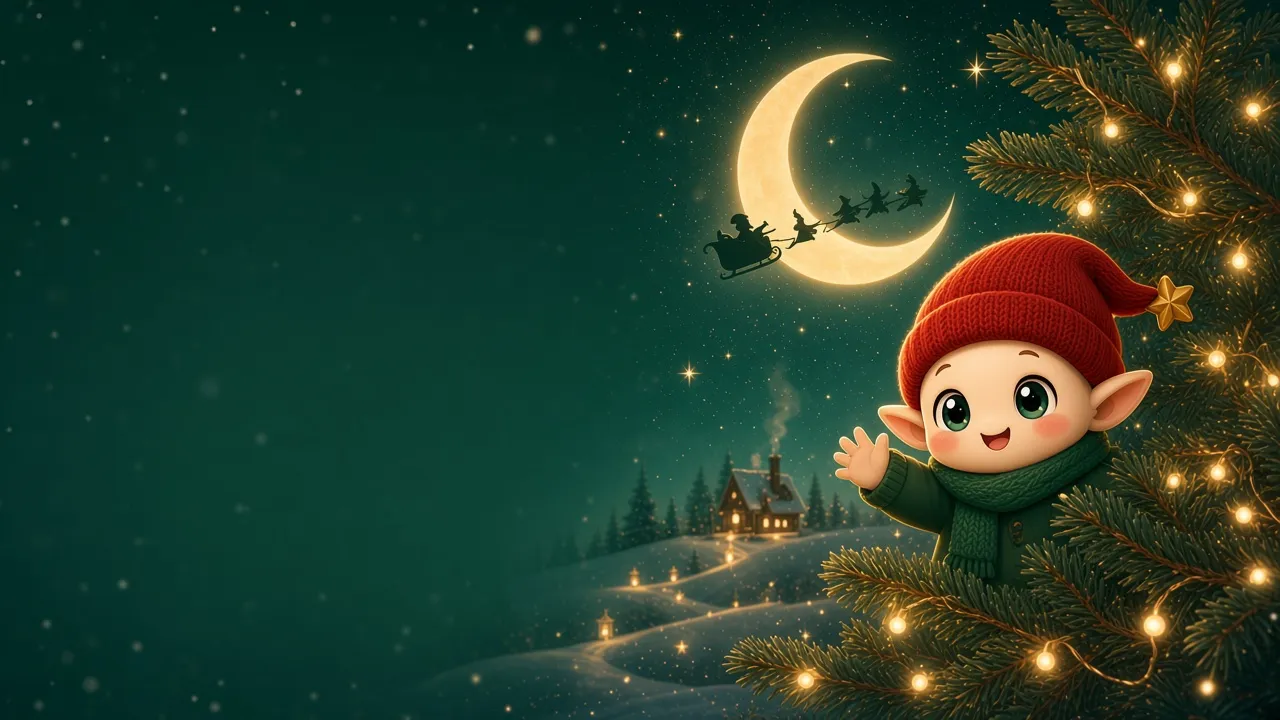
The word “elf” is very old. It comes from Old English ælf and the Old Norse álfr, both words for a supernatural being. People across northern Europe believed these beings lived close to humans, in forests, hills and stones, and that they could bring luck or trouble.
In those early stories elves were not small, and they were not cute. They were beautiful, powerful and a little dangerous. You did not want to annoy one.
Elves in Norse and Germanic myth
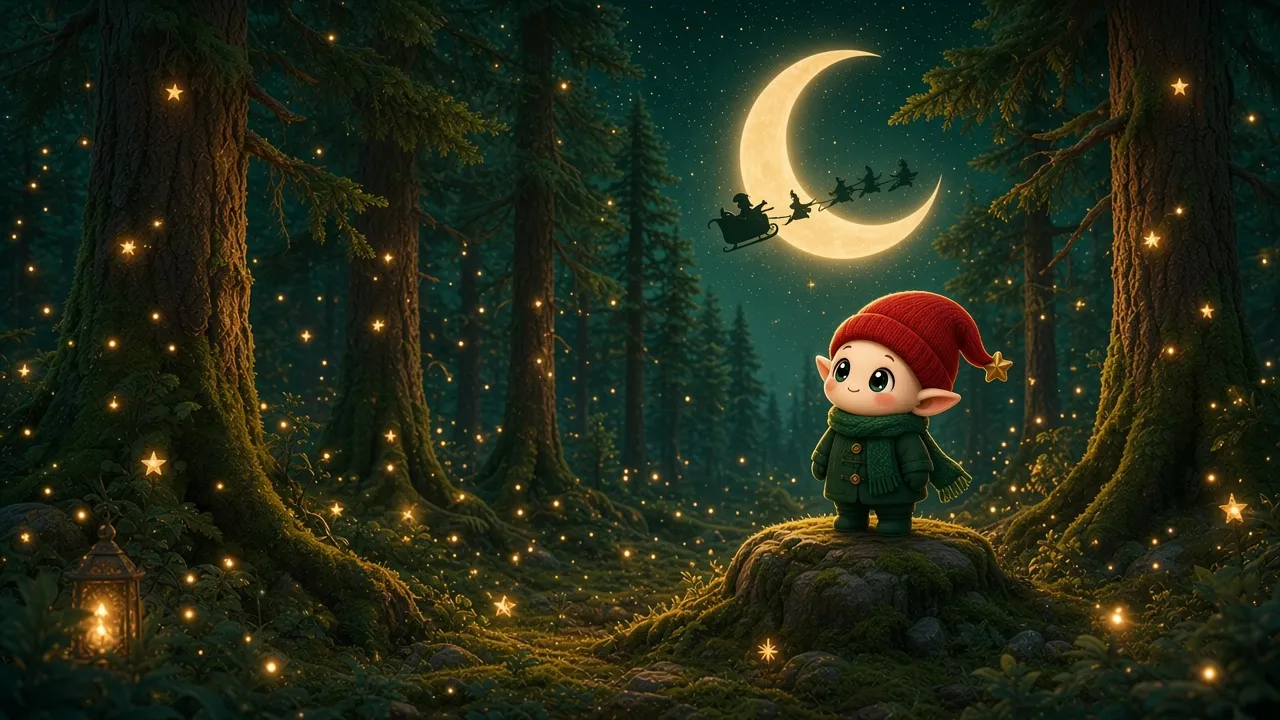
In Norse mythology, elves (the álfar) were counted among the supernatural races. The Icelandic writer Snorri Sturluson described “light elves” and “dark elves” in the Prose Edda in the 13th century. Light elves were said to be fairer than the sun, and dark elves lived underground.
Belief in elves lasted a long time. In Iceland, many people still talk about the huldufólk, the “hidden people”, and some roads have been planned around rocks said to be their homes.
How elves became small and mischievous
Over the centuries, elves in stories got smaller and more playful. Writers and storytellers used them as woodland spirits who could help, tease or trick people.
- Shakespeare used elf and fairy figures in A Midsummer Night's Dream (around 1595), and they are playful and mischievous.
- The Brothers Grimm published “The Elves and the Shoemaker” in 1812, where little elves secretly make shoes at night for a poor shoemaker. This is one of the first stories where elves are helpful workers.
That idea, small helpers who work in secret, is the seed of the Christmas elf.
How elves ended up at Christmas
Santa Claus did not always have elves. The link was built in the 1800s.
In 1823, the poem “A Visit from St. Nicholas” (better known as “The Night Before Christmas”) described Santa as “a right jolly old elf”. The word was used for Santa himself, but it put “elf” and Christmas in the same sentence for many readers.
Through the rest of the 1800s, magazines and illustrators started showing Santa's workshop, and the small helpers who made the toys. By the 20th century, the elf was a standard part of Christmas, in books, songs, films and shop windows.
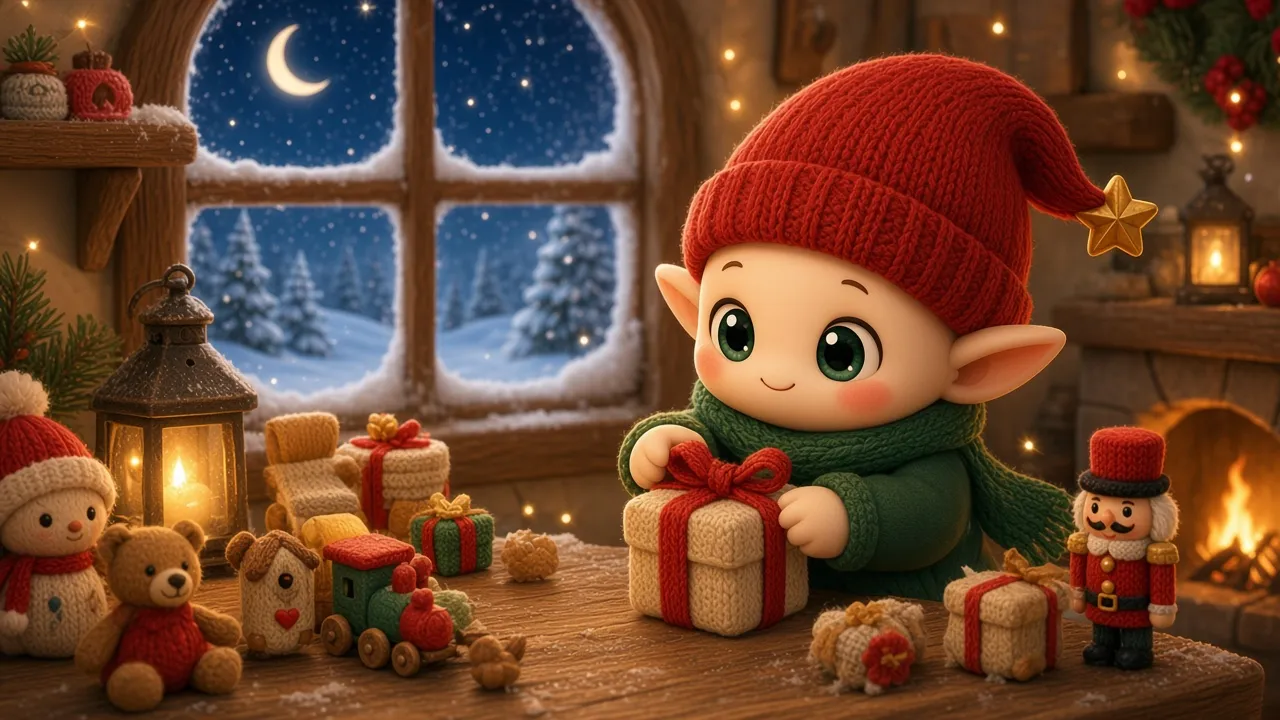
What a Christmas elf is like today
Ask anyone to describe a Christmas elf and you will get almost the same picture:
- Pointy ears and a pointy hat
- A red and green outfit, often with bells
- Small, quick and cheerful
- A toymaker or a helper for Santa
- Loves jokes, sweets and a bit of mischief
The elf is the friendly face of the season, the one who does the work behind the scenes so that Christmas morning feels like magic.
Elves that hide: a December game
In many homes, December now comes with a game of hide and seek. A small elf turns up in a new place around the house each day, and the children race to find where he has moved.
Hide and seek is a big part of why this works. A new spot every day makes December feel like a game.
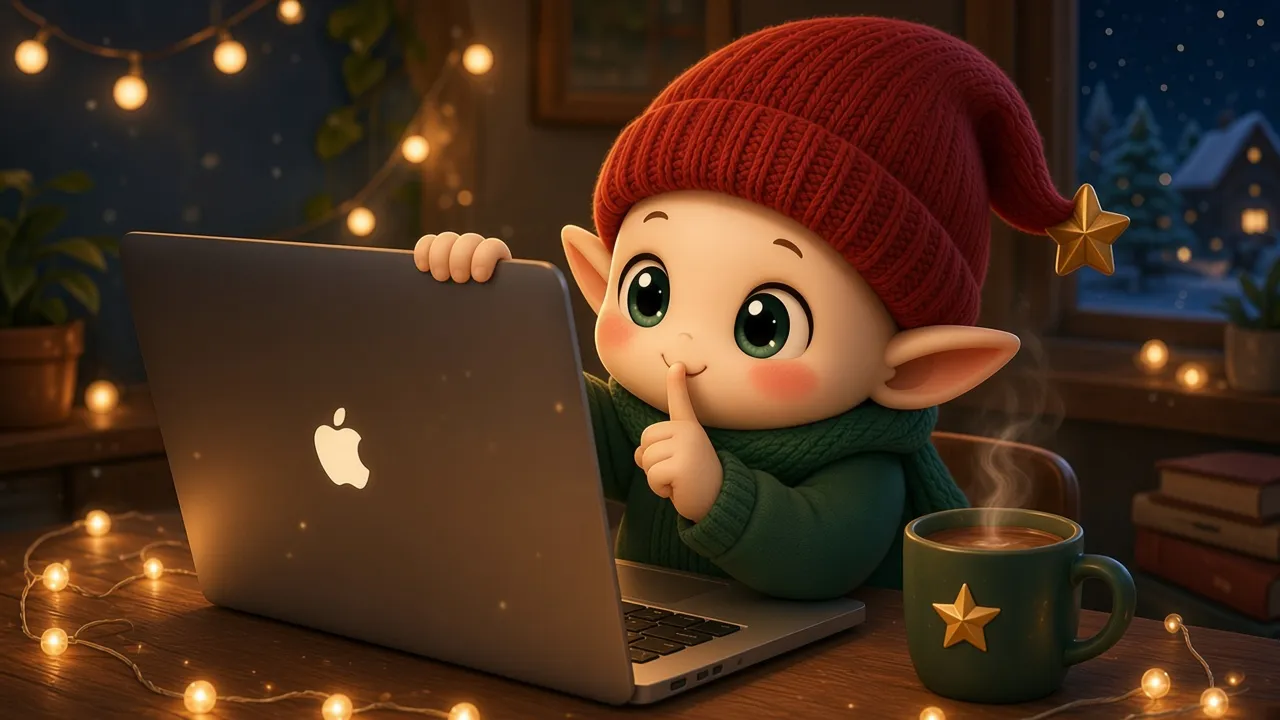
Meet Pipkin, the elf who hides on your Mac
Elfie is a small macOS menu bar app for the month of December, built around its own elf.
Pipkin, a little elf in a red knit hat with a gold star, moves into your Mac. From December 1 to 24, he hides somewhere new on your screen every day. When you find him, you get:
- a Christmas joke or fun fact
- that day's wallpaper, which you can set with one click
Elfie is a one-time purchase: $7 for 1 Mac or $12 for 5 Macs. Until November 30 you can get it for $5 with the code EARLYBIRD. It works on macOS 13 and later, on Apple silicon and Intel Macs. Read more about how the advent calendar works.
Questions people ask
What is an elf in simple words?
An elf is a magical being from European folklore. At Christmas, an elf is a small, cheerful helper who makes toys for Santa.
Where do elves come from?
The idea of elves comes from Norse and Old English mythology. Over the centuries, stories made them smaller and more playful, and in the 1800s they became part of Christmas.
Are elves the same as fairies?
They are closely related in folklore, and the two words were often used for similar beings. In modern stories, fairies are usually winged and elves are usually pointy-eared helpers or woodland people.
Why does Santa have elves?
Stories like the Brothers Grimm's “The Elves and the Shoemaker” showed elves as secret, skilled workers. Writers and illustrators in the 1800s combined that with Santa's story, and the idea of toymaking elves stuck.
What is Elfie?
Elfie is a macOS menu bar app where an elf named Pipkin hides on your screen every day from December 1 to 24. Finding him unlocks a joke or fun fact and a new wallpaper.